
ICYMI: If Biden wins, elevator etiquette, and conlangers
4 comms things and 1 non-comms thing

Hello and happy end of the week!
Was this email forwarded to you? Subscribe here.
In case you missed it…
1. If Biden Wins, Corporate Purpose Will Face a Higher Bar

“Purpose” is to the 2020s what corporate social responsibility (CSR) was to the 2010s. Last year the Business Roundtable, made up of 181 of America’s most powerful CEOs, released a statement on the purpose of a corporation. Creating shareholder value moved from the top of the list to the bottom, replaced by the need to invest in local communities and employees and to promote diversity and inclusion.
The Roundtable’s statement, alongside increased social media shaming and the willingness of employees to speak out against their employers, has paved the way for corporations to take political stances.
Writing for Fast Company, Nick Merrill and Dan Schwerin (cofounders of Evergreen Strategy Group) say that “taking a stand against a historically unpopular president and his most extreme policies has been a surefire way to win praise and demonstrate their values.”
But what happens if a less divisive politician moves into the White House?
The authors say companies must now rethink “stakeholder capitalism” and offer three lessons:
Under a Biden administration, companies won’t have Trump to kick around anymore, so they’ll need to take bold, affirmative stands on specific policies and legislation to show their values. [example: Levis Strauss & Co.]
CEOs who want to be seen as leaders will have to use their market power to drive systemic change, such as convincing peer companies to modify processes that negatively affect the environment. [examples: Nike and BlackRock]
CEOs will be expected to invest real political capital in the causes they claim to support, going so far as to endorse specific political candidates or sue the government for making moves that go against their corporate values. [example: Patagonia]
💭 What this means for Internal Comms: CEOs must get employees on board with any value stances and purpose statements. Internal Comms is business-critical to ensuring the company’s internal messages reflect its external positions and ensuring that employees know what the changes mean for the business, their paychecks, and what meaning it brings to their work.
Read the Fast Company article.
2. Covid-19 is Changing Elevator Etiquette

🥃 Shot: Quick read from The Economist: What the history of the elevator can teach us about social distancing.
🍺 Chaser: The CDC’s guidelines for elevators and escalators.
3. Slack Is Holding Back Your Communication. Here's What to Do Instead.
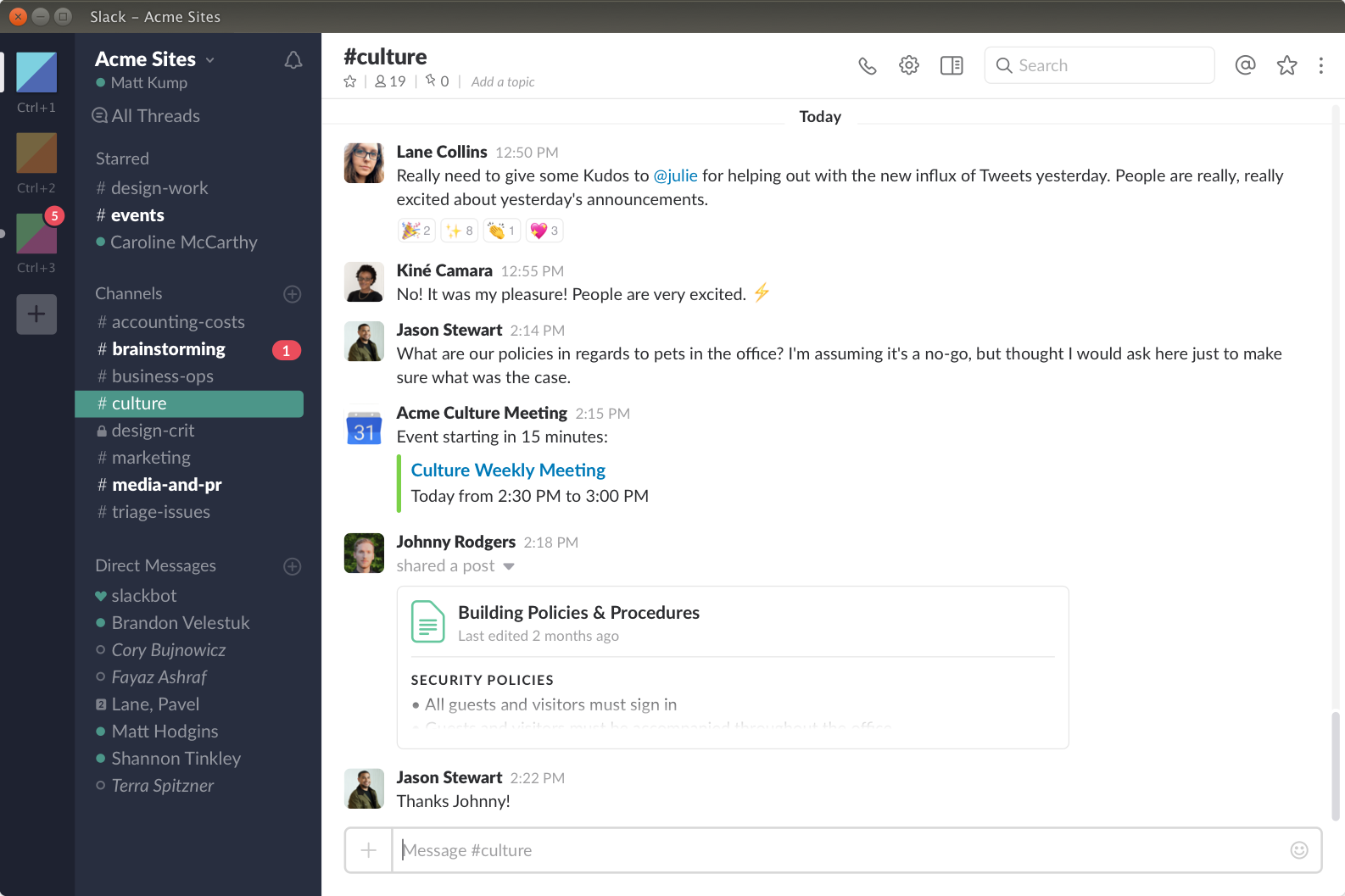
Are you using Slack to communicate everything with your team? Mandy Gilbert, founder and CEO of Creative Niche, says there are four situations where traditional communication methods may be more effective:
If it's more than a paragraph, pick up the phone.
Always brainstorm face-to-face.
Make time for in-person criticism or feedback.
Email isn’t dead, especially when working with small teams.
Paid subscribers to Mister Editorial get access to exclusive content, such as a two-part series on how and why to host virtual Ask Me Anything sessions with company leaders.
Part one has been published: Ask Me Anything: A Unique Way to Connect to a Distributed Workforce
4. Mask Messaging Misses the Mark: How Better Communication Can Drive Behavior

First we were told we didn’t need to wear masks. Then all of a sudden masks were necessary. Do you remember exactly what changed? Do you remember who told us why we flip-flopped on masks? Neither do I.
The problem isn’t that public health experts changed their minds, argues Jack Goodman, corporate comms expert. It’s that the pivot was muddled, thereby undermining the credibility of the authorities.
Goodman shares lessons we’re learning, in the context of some core communication principles. They are, in short:
Grey is okay
If you pivot, explain
Consistency counts
Meet folks where they are
5. Five Short Stories on the Art of Communication

Every form of communication has its history. Internal comms folks wouldn’t be where we are without the predecessors to newsletters, digital signage, and the executive memo.
But enough work-talk. Take 14 minutes to learn something about unique forms of communication, and have a little fun.
Why we don’t speak “old-timey” like they used to in the movies
Lessons from a blind dialect coach
Meet a hyperpolyglot who speaks 32 languages
How the “Micro Machine” guy makes a living talking fast
An intro to conlanging (i.e., creating a new language, like Dothraki or Klingon)
Talk to you later…