
ICYMI: IC saved the day, office redesign, the tyranny of chairs
4 comms things and one non-comm thing you might have missed

Hello!
Can you believe the first day of fall is just 18 days away?!
Was this email forwarded to you? Subscribe here.
In case you missed it…
1. Making the Business Case for Internal Comms—Part 1: Remind the Boss That Internal Communications Saved the Day

Budget season is nigh and you’re thinking about how you’ll position Internal Comms in a way that increases — or at least maintains — current funding. This week Poppulo’s IC Matters published the first of three articles I’ve written on making the business case for IC.
The Covid-19 pandemic finally put Internal Comms front and center.
When tens of millions of employees suddenly had to work from home…
When we really didn’t have a grip on what coronavirus was or how it spread…
When technology suddenly had to shift to accommodate stressed, distributed frameworks…
When executives suddenly had to conduct town hall meetings from their bedrooms…
When we all thought we’d be back in the office by now…
Internal Communications was on the frontlines to ensure that all messages were timely, clear, and acted on.
You must remind the C-suite of this fact: communications saved the day.
We forget that we operate in our own thought bubble. For many leaders, it just hasn’t clicked that the things they need for their company to be successful—mainly knowledgable and inspired employees—are cultivated by what IC does day in, day out.
Since Internal Comms went above and beyond in 2020, you’d think it would be easier than ever to get what you ask for in the upcoming budget request. And yet here we are again…
Read the article for ideas on how to present the business case for IC.
2. See the Unusual New Office Design That Deloitte and KPMG Are Exploring
Many offices remain closed, and employees have settled in for an extended and indefinite stint of working from home. And though some companies are only just realizing how much of their work can be done remotely, many workers are eager to get back in the office, at least some of the time.
A recent survey by Big Red Rooster found that:
94% of employees want the option to return to a physical office, and that
remote work should augment but not replace the traditional office
Companies don’t want to waste money on office space when everyone’s working from home—but they do want to make space available when workers need to come in.
Enter the hub-and-spoke model.
💭 Regardless of whether your company remains permanently remote, moves to a hybrid model, or asks everyone to return to the office, internal comms is going to deliver the news. Yet one more reason why leaders need to understand the value of the IC function
3. How to Choose the Appropriate Channels for Workplace Communications
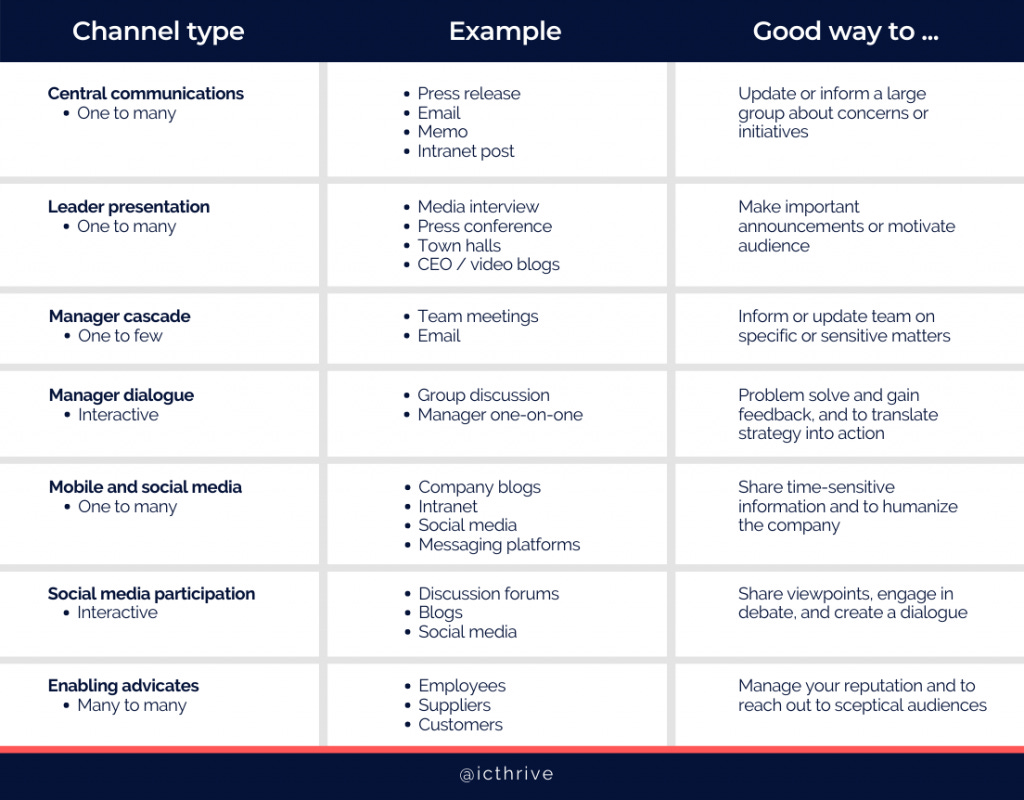
With email, Slack, Microsoft Teams, texting, phone calls, video calls, and zillions of other communication channels to choose from, what is the secret to selecting the appropriate (and most effective) channel for workplace communication?
In a detailed article for IC Thrive, Caitlin Percival narrows down the channel selection process into two scenarios:
where the company should choose the channels
where employees should choose the channels
Caitlin concludes:
Our top recommendation in channel strategy for your internal communications is to have a single source of truth. No matter what channels your employees, leadership or partners are on, they should be confident in knowing where to find the information they need.
Read the article and get handy channel selection tools.
Paid subscribers to Mister Editorial get access to exclusive content, such as a two-part series on how and why to host virtual Ask Me Anything sessions with company leaders.
4. This Documentary Will Make You Deactivate Your Social Media
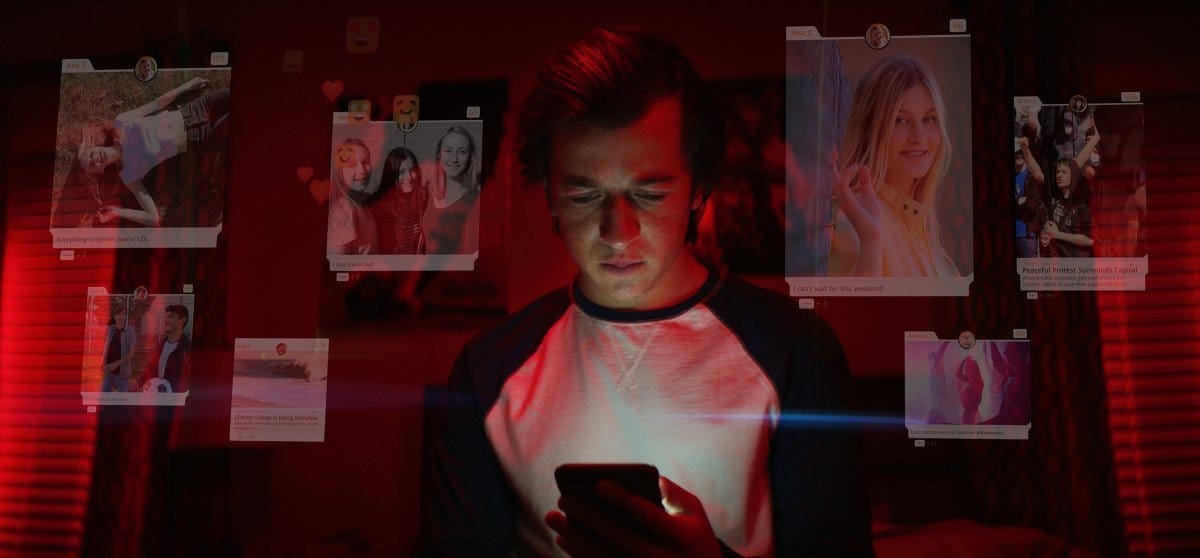
🎬 The Social Dilemma may finally convince you that we’re being watched, manipulated, and misled by unscrupulous platforms and attention-harvesting algorithms.
Netflix describes the film as a “documentary-drama hybrid” that “explores the dangerous human impact of social networking, with tech experts sounding the alarm on their own creations.”
💭 MY THOUGHT: People are becoming increasingly aware that every single action we take online—whether it’s a Google search, a Facebook like, or a purchase—is being tracked. When will employees question whether their employers are also monitoring every online interaction?
Envision with me…
…a day when employees constantly share good news about their company on social media because it will make them look better around promotion time.
…a day when employees are passed over for promotions because they “like” or search for things like “unionization,” “four-day work-weeks,” or simply other jobs.
…a day when employees are selected for or passed over for promotion because of their political activity on social media.
What role, if any, does Internal Comms play when an employee’s time outside of work enhances or collides with company values and business strategy?
5. The Tyranny of Chairs

Are you sitting down?
Sitting for hours and hours can weaken your back and core muscles, pinch the nerves of your rear end and constrain the flow of blood that your body needs for peak energy and attention. Most people’s bodies are largely unsuited to extended periods in these structures. Extensive research confirms that sitting in chairs is correlated, Cranz notes, with “back pain of all sorts, fatigue, varicose veins, stress and problems with the diaphragm, circulation, digestion, elimination and general body development”. There is growing evidence that relentlessly sedentary jobs—in some, such as bus driving and forklift operating, bodies are literally strapped to chairs—are harmful enough to shorten life expectancy.
After reading this article in The Guardian you may never look at—or sit in—your chair the same way again.